|
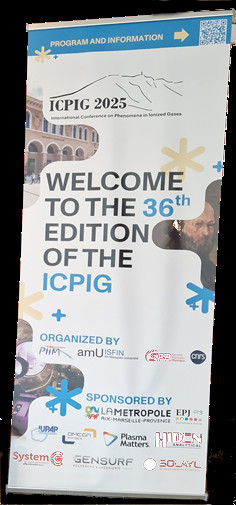
20-25 Jul 2025 Aix en Provence (France)
|
|
|
|
Conference summary
Scientific Program and Exchanges Each day was dedicated to intense scientific activity, running from about 8:30 to 18:30, and structured around plenary lectures, topical invited and contributed lectures in two parallel sessions, and poster sessions. 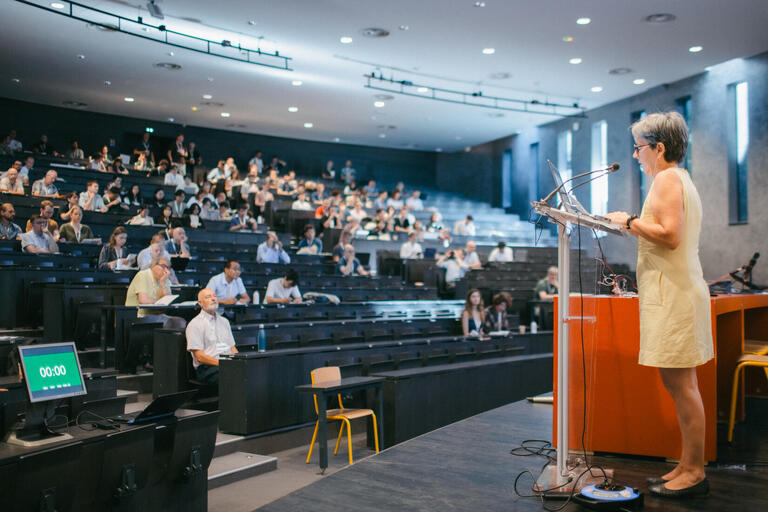
Opening speech by Laurence Mouret, dean of the Aix-Marseille University Faculty of Sciences
The opening ceremony featured addresses by Laurence Mouret, dean of the Aix-Marseille University Faculty of Sciences, Yannick Marandet, director of the PIIM laboratory, Sander Nijdam, chair of the International Scientific Committee, and Gilles Cartry, Chair of the Local Organizing Committee. Laurence Mouret presented Aix-Marseille University and the Faculty of Sciences, highlighting the role of fusion plasma research at AMU, the existence of a dedicated institute, AMU’s strong commitment to science through initiatives such as the Safe Place for Science programme, and the university’s emphasis on gender equality. Yannick Marandet introduced the PIIM laboratory, organizer of the conference, and underlined the importance of fusion research at the Aix-Marseille site, including the activities of the ISFIN institute. Speaking on behalf of the International Scientific Committee, Sander Nijdam welcomed participants, presented the conference, and officially opened this new edition. Gilles Cartry presented the newly created interactive ICPIG map summarizing all the ICPIG editions, as well as the ICPIG history webpage referring to the memories of Franklin (2000 and 2007) as well as to newly collected testimonies about the ICPIG in the “old time”. 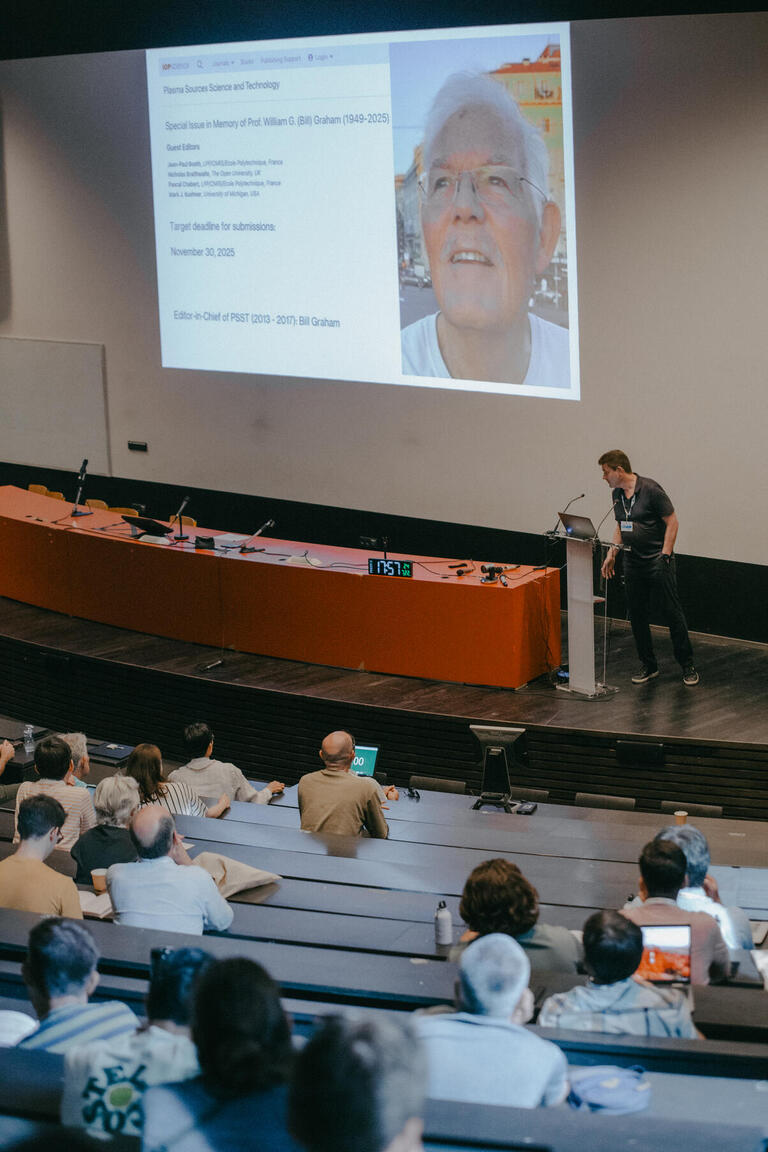
Tribute to Bill Graham
The scientific content of ICPIG 2025 was remarkable in both breadth and depth, reflecting the vitality of the plasma physics community. The sessions provided a platform for exchange across disciplines, with lively discussions during and after presentations. The poster sessions, held in the Pouillon Hall, fostered direct and constructive dialogue between established researchers and young scientists. A particularly notable highlight was the special session dedicated to the memory of the late Bill Graham, during which his colleagues offered heartfelt tributes to his scientific and human legacy. 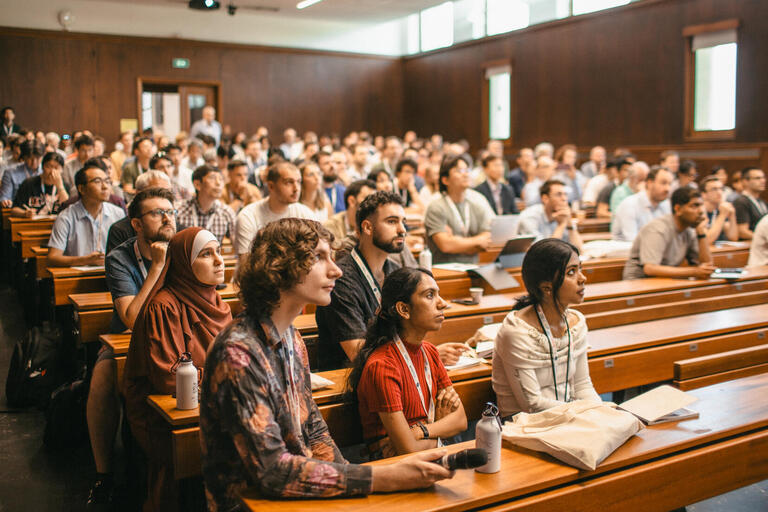 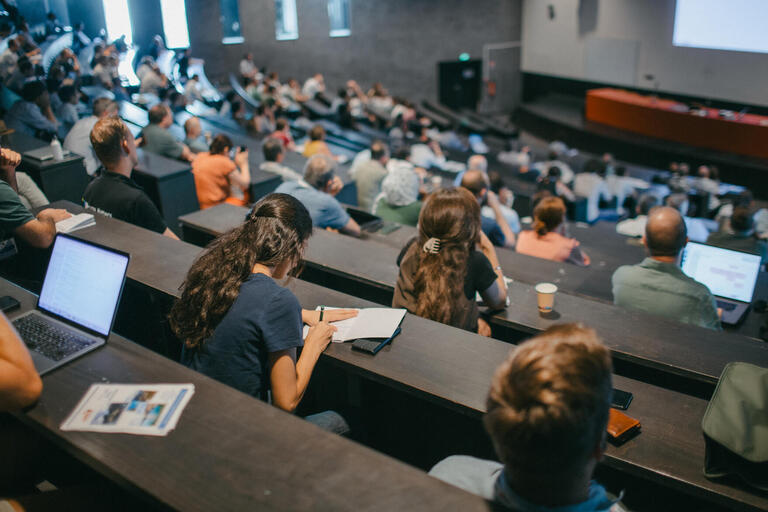 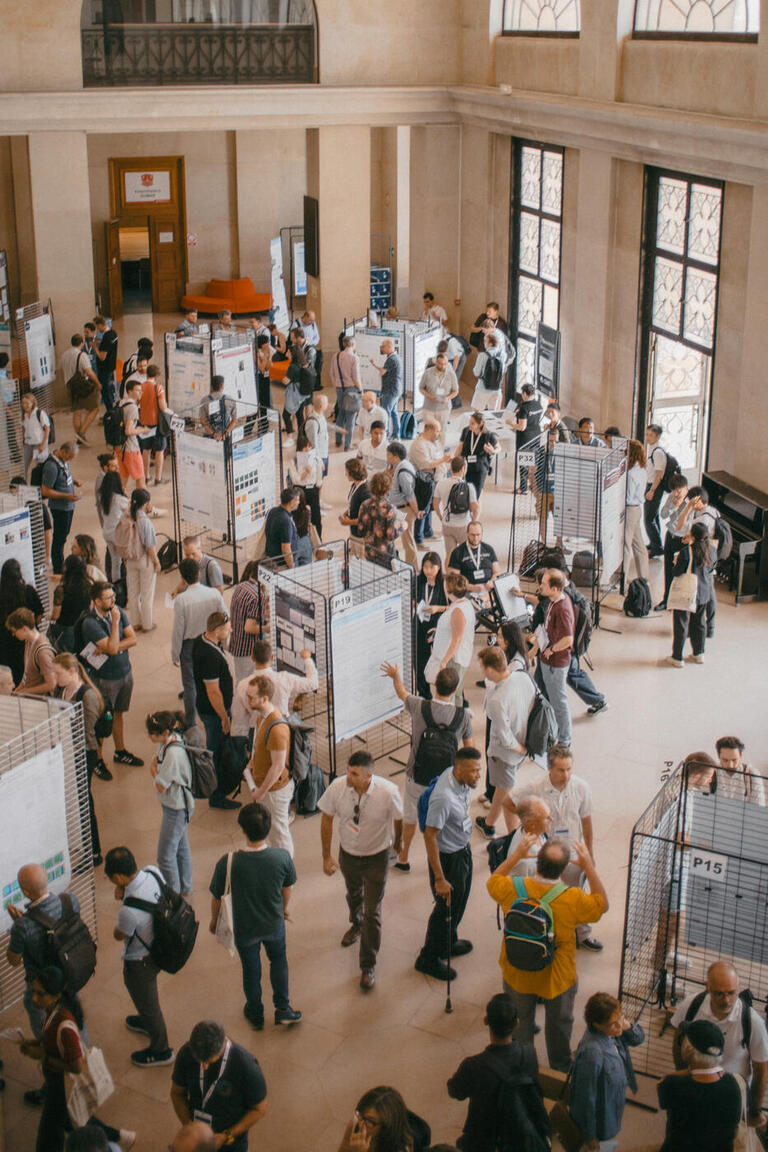 On Tuesday, a keynote lecture was delivered by Isabelle Régner, Vice President of Aix-Marseille University for Gender Equality and Anti-Discrimination, who gave a remarkable and dynamic presentation on “The Influence of Gender Stereotypes on Cognitive Performances and Hiring Decisions”. This lecture, well received by the audience, enriched the conference by broadening the perspective on diversity and inclusion in science. 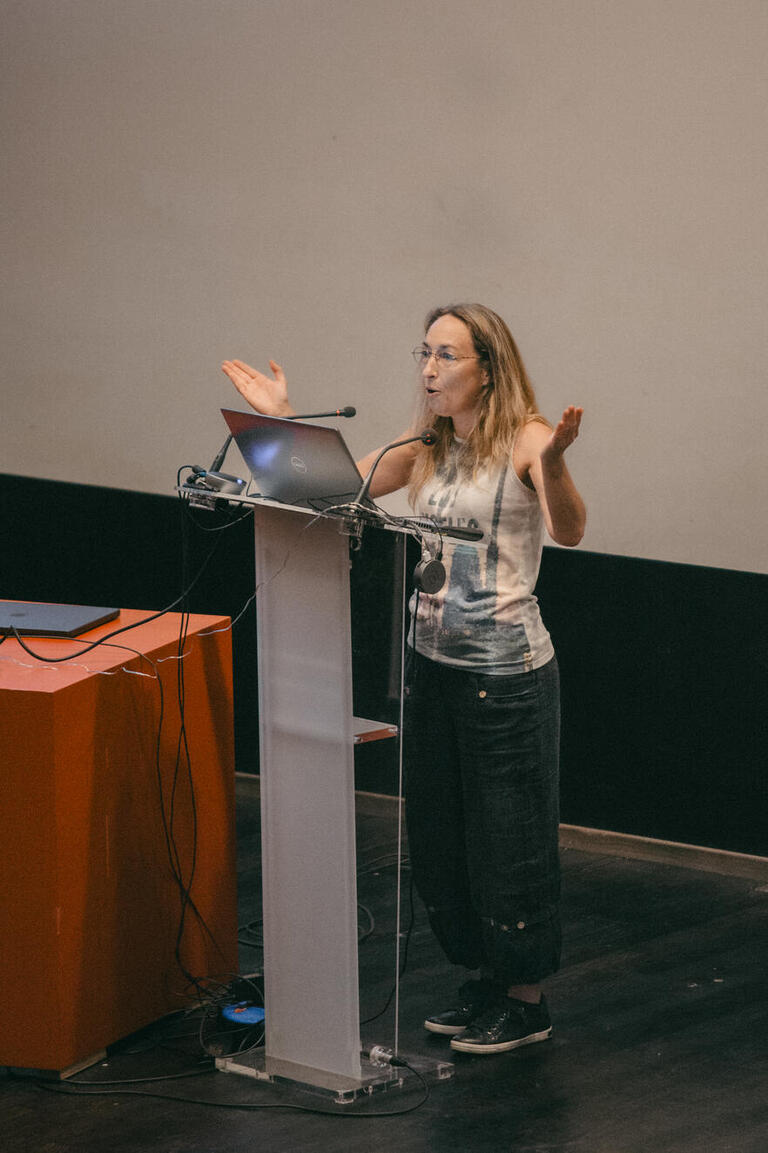
Lecture on gender equality by Isabelle Regner Vice President of Aix-Marseille University
Thursday featured further plenary and invited lectures. The Friday program concluded with the prestigious Von Engel & Franklin Prize lecture, awarded this year to Ute Ebert for her outstanding contributions to the understanding of streamer discharges. Four student poster prizes were also awarded, reflecting the high quality of contributions from young researchers. 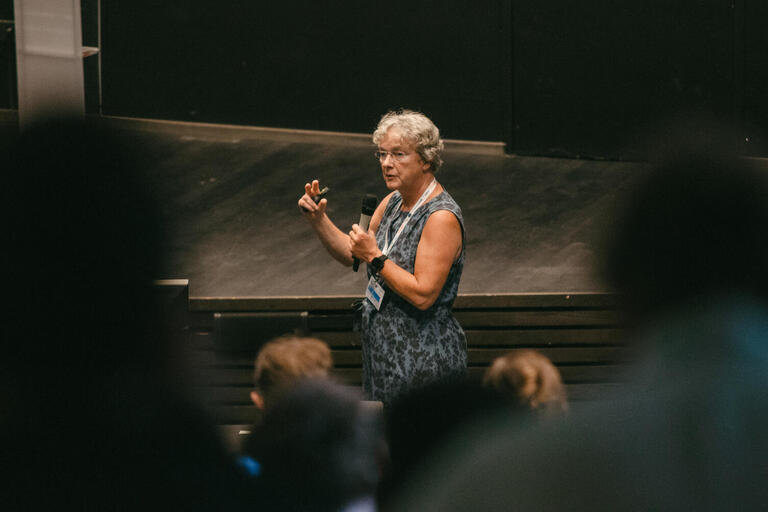
Von Engel and Franklin prize 2025: Ute Ebert lecture
The scientific contributions at ICPIG 2025 covered the full breadth of low-temperature plasma research, with notable trends emerging from the distribution of topics. Plasma diagnostics (15%, see annex) remained the largest single contributor, confirming its central and transversal role across plasma science. Several areas showed particularly strong activity this year, including non-equilibrium and atmospheric-pressure microplasmas (10%), plasma in/with liquids (7%), and medical, biological and environmental applications (13%), reflecting the rapid growth of plasma technologies in multidisciplinary domains. Traditional core topics such as plasma–surface interactions (6%), low-pressure plasmas (7%), modelling and simulation (10%), and plasma processing (7%) also maintained substantial representation. A fraction of contributions addressed low-temperature plasma applications for fusion, in line with the local interest of the plasma community. Overall, the distribution of topics was consistent with the themes highlighted by the invited lectures, illustrating both the continuity and the evolving directions of contemporary plasma research. The five General Invited Lectures provided a broad and insightful overview of several fast-moving areas in low-temperature plasma science. Davide Mariotti (University of Strtathclyde) presented the concept of “bulk to atoms and back”, illustrating how atmospheric-pressure microplasmas can sustainably break down materials to atomic or cluster scales and rebuild them into functional nanostructures. Hirotaka Toyoda (Nagoya University) reviewed advanced diagnostic techniques for detecting high-energy species, underlining the central role of plasma diagnostics in both fundamental studies and applications. Jean-Paul Booth (LPP, CNRS) presented new approaches for in-situ measurements of surface reaction probabilities in low-pressure plasmas, highlighting recent progress in understanding plasma–surface interactions. Isabel Tanarro (Instituto de Estructura de la Materia) discussed the complex ion chemistry emerging in C₂H₂/Ar plasmas and the strong influence of nitrogen additives, highlighting reaction pathways that are relevant to the fabrication of advanced materials and to the laboratory production of astrophysical dust analogues. Zoltan Donkó (HUN-REN Wigner Research Centre for Physics) reviewed the crucial role of secondary electron emission in the operation of low-pressure discharges, presenting recent advances on the in-situ determination of the effective secondary electron yield in capacitively coupled plasmas. During the week, several side meetings (Plasma Source Science and Technology board, ICPIG and ESCAMPIG International Scientific Committees…) took place in the Council room of the faculty. Overall, the scientific exchanges throughout the week were of a very high standard, characterized by open dialogue, constructive criticism, and a genuine spirit of collaboration. Participants emphasized the richness of the discussions and the opportunities for new collaborations. Social and Cultural Program Beyond the scientific program, ICPIG 2025 offered a carefully curated social and cultural agenda. Coffee breaks and lunches were served under the plane trees on the Mirabeau forecourt, creating a relaxed and convivial atmosphere that encouraged informal exchanges. On three occasions, a caricaturist offered portraits of participants, adding a playful element to the week. The conference opened on Sunday, July 20, with a welcome cocktail on the Portalis forecourt, featuring traditional Provençal dance and music performed by the Roudelet Felibren ensemble, as well as a performance by magician Magic Ritchie. This convivial evening set the tone for a week that combined rigorous scientific exchange with cultural enrichment. The Wednesday afternoon excursion provided participants with the opportunity to discover the region. Around fifty attendees visited ITER, the international nuclear fusion project, where they attended a presentation and toured the construction site. A larger group travelled to Marseille, embarking on boats for a tour of the Calanques National Park, with the chance to swim in the Mediterranean Sea against the stunning backdrop of the cliffs. Thursday evening’s social event, held at the Hôtel de Caumont, unfolded under the hallmark of French elegance in a beautifully restored 18th-century mansion and art center in the heart of Aix-en-Provence. Participants enjoyed a guided tour of the Niki de Saint Phalle exhibition, dedicated to the pioneering artist and feminist known for her vibrant, unconventional works, before savoring a refined aperitif and dinner in the mansion’s gardens and salons. A lyrical concert with soprano and baritone soloists accompanied by piano created a truly enchanting atmosphere, as the blend of voices and music resonated through the exceptional gardens of the Hôtel de Caumont. The program also featured a magic performance, two photo booths for conference souvenirs, and, to close the evening on a high note, a rock concert by Fred Paul Lerussi’s band in the grand gallery of the Hôtel de Caumont — a moment of pure joy and electrifying energy that carried participants away. Placed under the sign of French elegance embodied by the Hôtel de Caumont, the evening was further enhanced by excellent food and drinks that perfectly complemented this atmosphere of art, music, and conviviality. Participation and Diversity ICPIG 2025 brought together 399 participants from 38 countries, marking an increase of more than 10% compared to the previous edition. The participants included: 213 researchers 141 students 26 accompanying persons 5 administrative staff 7 industrial sponsors The conference maintained its commitment to inclusivity, with exemptions from registration fees provided to students and researchers from low- and middle-income countries, and reduced registration fees for students. Women represented 25% of contributors overall and 24% of oral presentations, with higher proportions among general invited speakers (43%). Students represented 39% of all contributors, demonstrating the vitality of the next generation of plasma scientists. A total of 72 oral contributions and 282 posters were presented. The conference was also supported by industrial sponsors including Hiden Analytical, Solayl RF Measurement & Control, System C Instrumentation, Omega Physics, Gensurf Recherche et Ingénierie, Plasma Matters, The European Physical Journal, and Spark Cleantech, as well as by academic and institutional partners such as Aix-Marseille University, PIIM, ISFIN, CNRS, the French Physical Society (SFP), the Aix-Marseille-Provence Metropole, and the long-standing partner of ICPIG IUPAP. Closing and Outlook The closing ceremony, led by Sander Nijdam (ISC chair), Gilles Cartry (LOC chair), Marco Minissale (LOC co-chair), and Lénaïc Couedel (LOC co-chair), celebrated the scientific successes of the week. Gilles Cartry presented the statistics of the edition and warmly thanked the entire Local Organizing Committee for their dedication and commitment, as well as the International Scientific Committee and all participants for the excellent week of scientific exchange and collegiality. Sander Nijdam (ISC chair) first led the poster award ceremony, the announced the changes in the International Scientific Committee and concluded by announcing the selected host for the next ICPIG edition. Emile Carbone, Chair of the next Local Organizing Committee gave an introduction to ICPIG 2027. Sander Nijdam after acknowledging the ISC, the LOC and all the participants officially closed the 36th ICPIG edition. Awards Von Engel & Franklin Prize The prestigious Von Engel & Franklin Prize has been awarded this year to Ute Ebert (Centrum Wiskunde & Informatica and TU Eindhoven, Netherlands) for her outstanding contributions to the understanding of streamer discharges. Student poster prize Four poster prizes were awarded by the International Scientific Committee during the closing ceremony to students for the remarkable scientific and pedagogical quality of their work: • Carmen Pascual-Fort (EM2C, CNRS, Centrale Supélec, Université Paris-Saclay, France) received an award for her poster entitled “Femtosecond laser-induced fluorescence for atmospheric plasma diagnostics: Stark detuning and power saturation effects” • Han Nguyen (Kanazawa University, Japan) received an award for her poster entitled “Subcellular Visualization of Cold Atmospheric Plasma Effects on Living Cell Surfaces Using Scanning Ion Conductance Microscopy” • Wouters Meekes (Eindhoven University of Technology, Netherlands) received an award for his poster entitled “Variable-pulse streamer discharges using an Impedance-matched Marx Generator” • Baptiste Disson (GREMI, Université d'Orléans, Centre National de la Recherche Scientifique, France) received an award for his poster entitled « Breakdown elementary mechanisms within controlled nanometer scale electrode gaps” 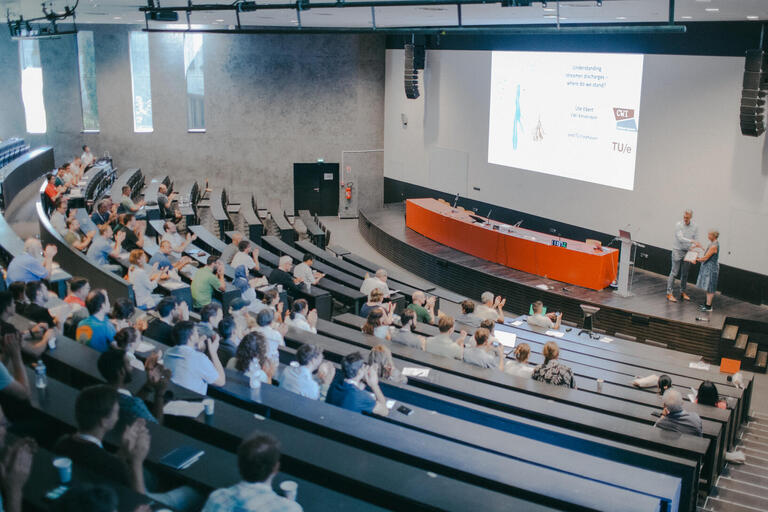
The Von Engel and Franklin prize was awarded by Sander Nijdam, Chair of the International Scientific Committee, to Ute Ebert
Poster award ceremony. The poster prizes were awarded by Sander Nijdam, Chair of the International Scientific Committee, to:.
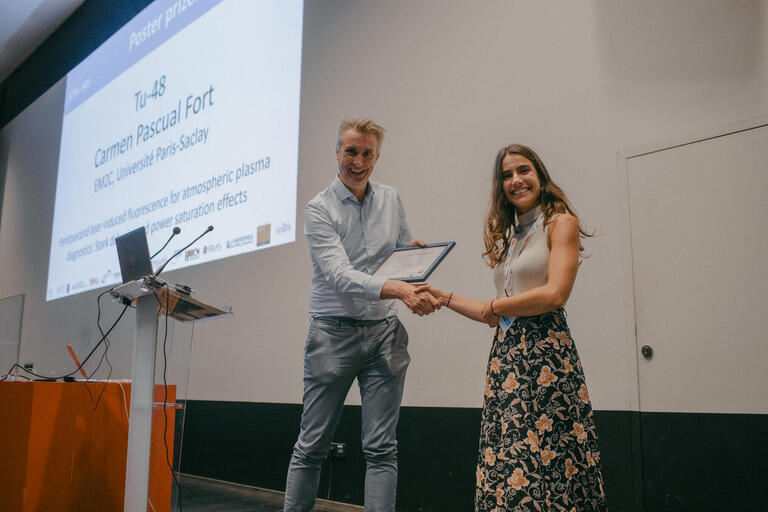
Carmen Pascual Fort
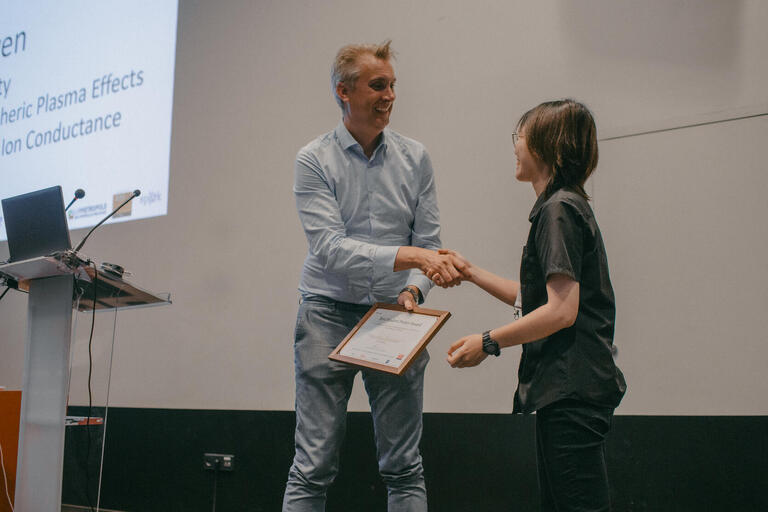
Han Nguyen
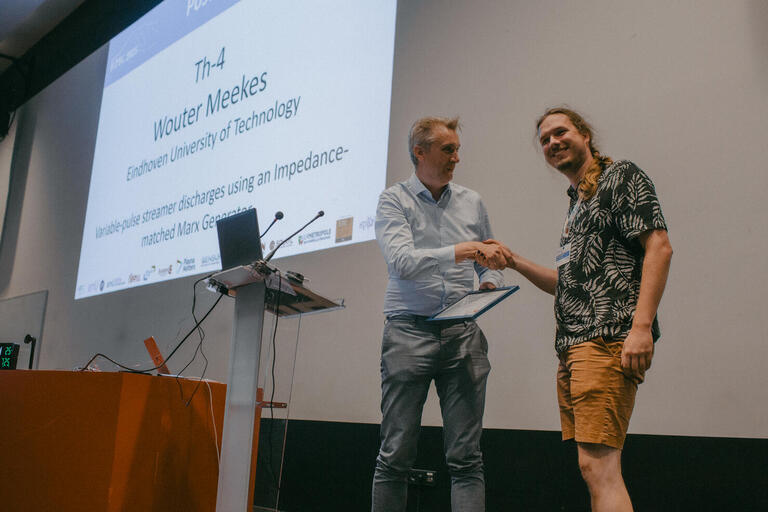
Wouter Meekes
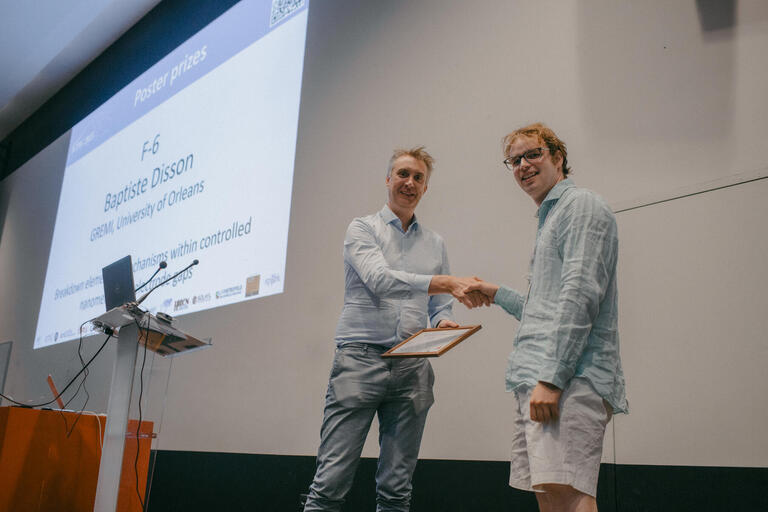
Baptiste Disson
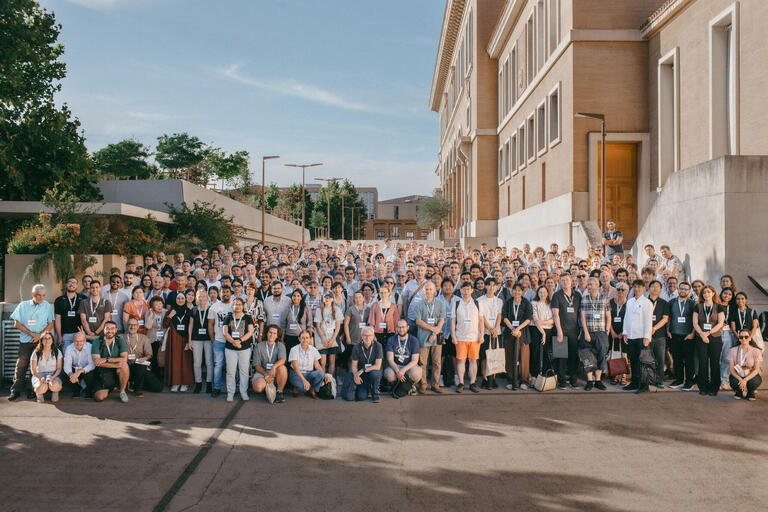 ICPIG 2025 group picture ANNEX: ICPIG 2025 – Key Figures and Participation Participation Overview ICPIG 2025 gathered 399 participants, representing an increase of more than 10% compared to the previous edition: • 213 researchers • 5 administrative staff • 141 students • 26 accompanying persons • 7 industrial sponsors present on site • 6 cancellations due to late visa, visa refusal, or health issues Exemptions and Diversity • 22 members of the Local Organizing Committee (LOC) • 8 students granted registration fee waivers under ICPIG’s policy of broadening the scientific community from low- and middle-income countries • 5 researchers granted registration fee waivers under the same policy • 25% female contributors and 39% student contributors • 4 students/researchers with waived fees could not attend (3 due to visa issues, 1 due to financial constraints) Scientific Contributions • 72 oral contributions • 282 posters Among oral contributions: – General invited: 43% women (3/7) – Special session: 16% women (1/6) – Topical invited: 23% women (6/26) – Contributed lectures: 24% women (8/34) Total: 24.65% women across all oral presentations Scientific topic distributions The graph and the table below summarizes the topic distributions among all contributions 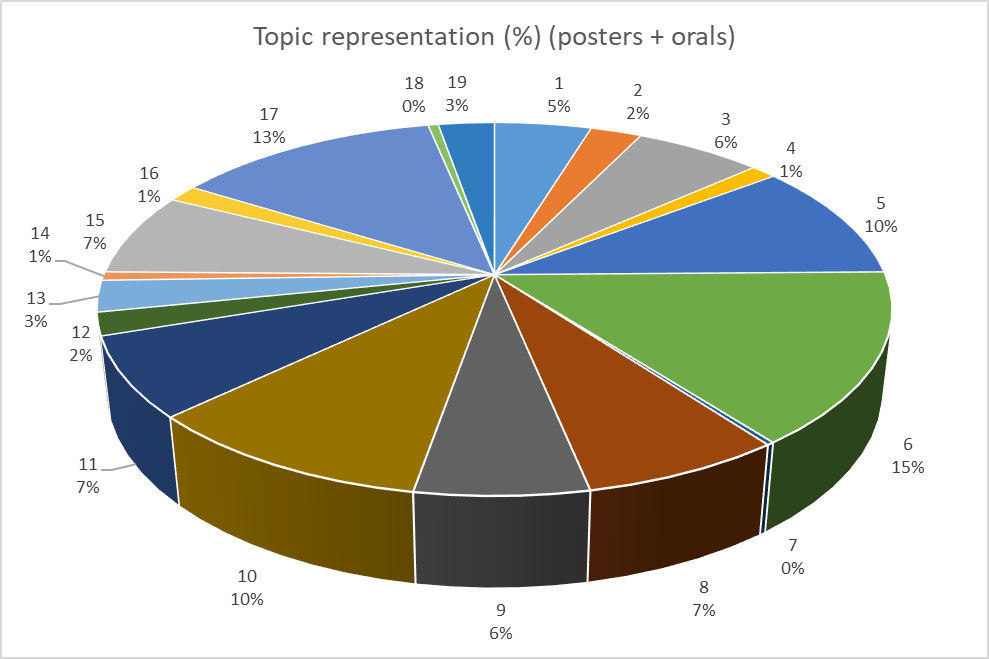
General invited talks
Ute Ebert is the recipient of the 2025 ICPIG prestigious Von Engel and Franklin prize Topical invited talks
International Scientific committee
Local Organizing committee The 36th ICPIG conference was organized by the PIIM laboratory (Aix-Marseille University and CNRS), with the support of the ISFIN institute and the French Physical Society (SFP)
Nationalities Represented 38 countries were represented.
Sponsors Industrial Sponsors: Hiden Analytical, Solayl RF Measurement & Control, System C Instrumentation, Omega Physics, Gensurf Recherche et Ingénierie, Plasma Matters, The European Physical Journal, Spark Cleantech. Academic and Public Sponsors: Aix-Marseille University (AMU), PIIM, ISFIN, CNRS, French Physical Society (SFP), Aix-Marseille-Provence Metropole, IUPAP. |